Metaphor: The Flow of a River
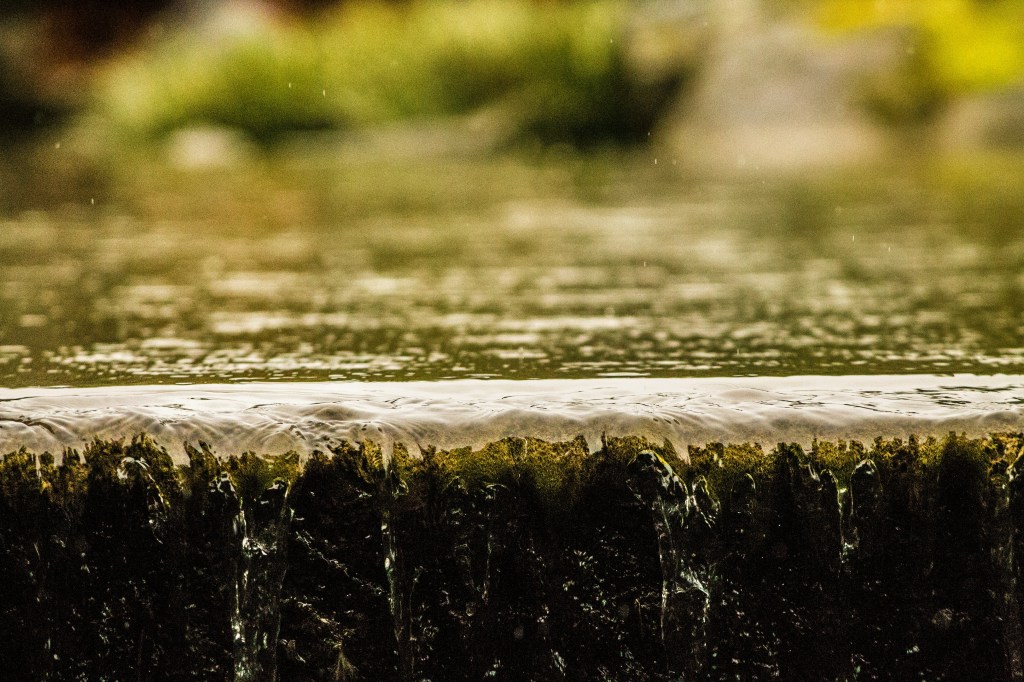
The metaphor I chose to represent my educational journey is a river flowing across lands and into different streams of knowledge, learning, and unlearning. Much like a river, I am never still. Rivers carve new paths, shift the landscapes they encounter, and deepen as they move forward. My educational journey has been shaped by this same fluidity—flowing across different countries, immersing me in diverse cultures, and constantly reshaping my understanding of early childhood education. Inspired by the lyrics from ‘Just Around the River Bend’ by Judy Kuhn (1995): “You can’t step in the same river twice. The water’s always changing, always flowing.” I chose the river as a metaphor for my learning journey, one that moves through streams of knowledge, learning, and unlearning, never settling, always evolving.
Each place I’ve lived and each experience I’ve embraced has acted as a tributary, feeding into my growth as an educator. The theories I have explored, the practices I have applied, and the perspectives I have encountered have merged like currents, guiding my transformation. This portfolio reflects that movement, capturing moments of challenge and insight, moments where I had to let go and relearn, and moments where my understanding of education deepened in unexpected ways.
Rather than seeing learning as a fixed destination, I embrace it as an open-ended journey, one where inquiry, reflection, and adaptation flow together. By navigating the intersections of theory and practice, I continue carving new pathways in early childhood education, challenging dominant discourses, embracing multiple perspectives, and fostering a pedagogy of care, curiosity, and connection. This collection of artifacts represents not just what I have learned but how I have learned, each piece a ripple in the ever-expanding waters of my professional identity.
Erosion
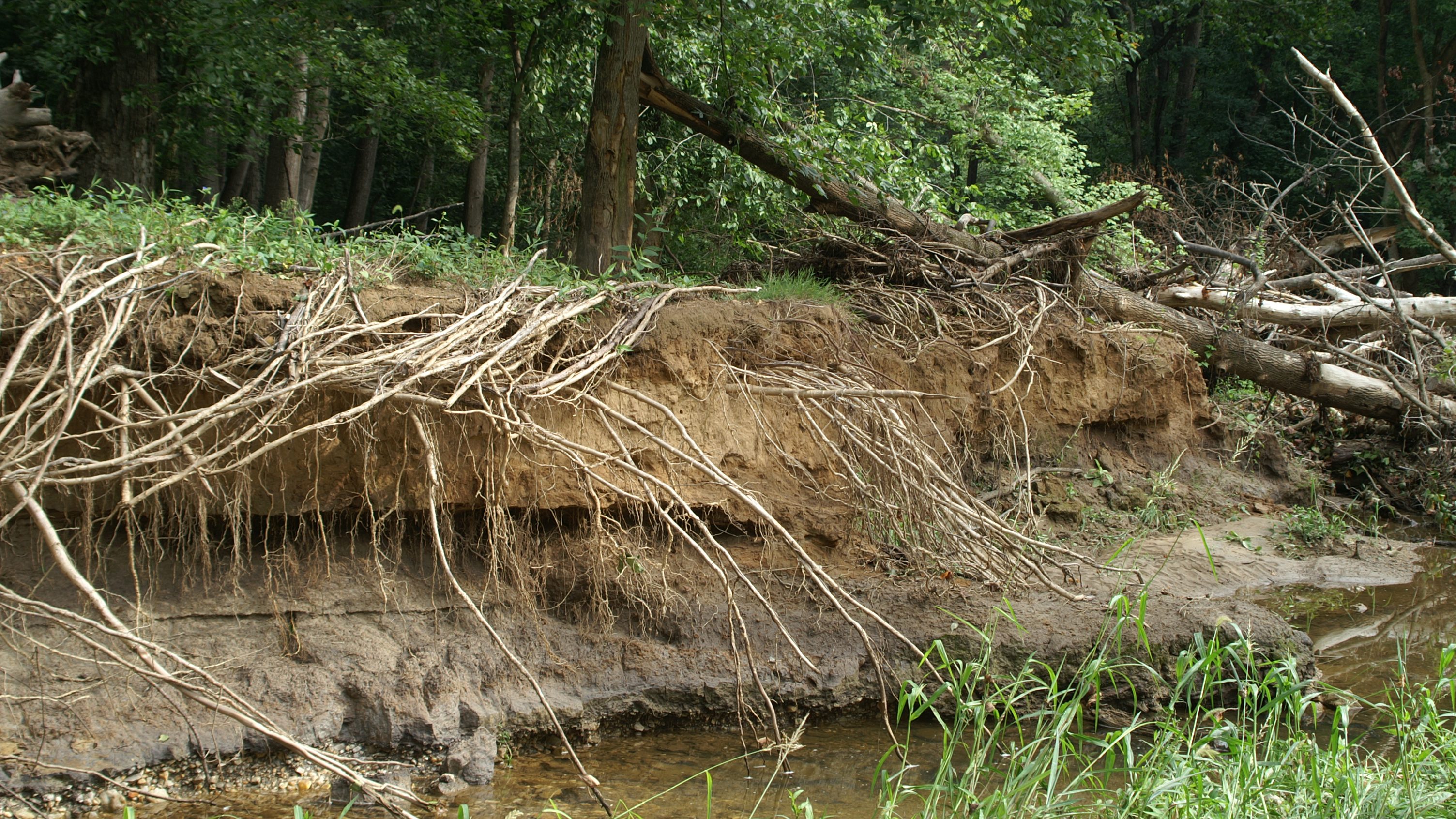
As a river carves its path through landscape, my learning journey began with erosion, which is commonly known as the breaking down of old ideas to make way for transformation In nature, erosion is the process of wearing away riverbanks and carrying sediments to new places, reshaping the land over time. Similarly, my journey has been shaped by questioning, unlearning, and challenging the status quo in early childhood education. This process of erosion was necessary—dismantling ingrained assumptions and making space for new perspectives to take root.
Yet erosion is not destruction, it is renewal. As sediment is carried downstream, it deposits rich material elsewhere, forming fertile ground where new life can thrive. Likewise, as I moved across different countries and cultures, each experience enriched my knowledge, much like sediments settling to shape a more complex and layered understanding of education. These accumulated insights—the fragments of diverse theories, practices, and perspectives—have deepened my pedagogical landscape, making it more dynamic and reflective of the world’s complexities. Peter Moss’ (2006) critique of dominant discourses in early childhood education further connects this journey, as these tributaries do not merely merge into one current but create branching streams, each representing alternative discourses I have encountered, challenged, and embraced. These streams symbolize the evolving goals of my practice, pushing me to explore education beyond rigid norms and toward a more fluid, responsive, and reflective approach.
Carving New Paths
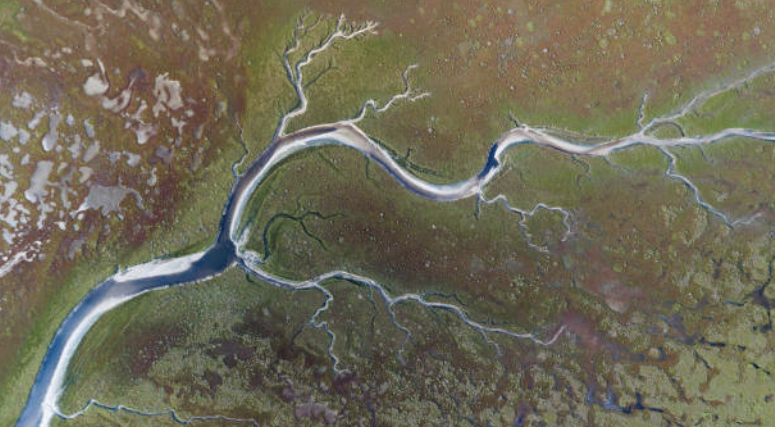
As my learning journey continues, I find myself not just following the currents but actively carving new paths, reshaping the way I see and engage with early childhood education. Peter Moss (2006) challenges us to move beyond dominant discourses, questioning the structures and understandings that have long defined the early childhood educator’s role. Rather than accepting a singular, predetermined narrative such as the dominant discourse of quality assurance, standardization, and technical expertise in early childhood education, Moss (2006) invites us to embrace multiplicity, to see the educator not as a technician delivering a fixed curriculum, but as a reflective practitioner, co-learner, and political agent within a broader social and cultural context.
This perspective aligns with my own evolving journey. Just as tributaries diverge from the main river, forming new streams, my experiences across different countries have led me to alternative ways of thinking about education, challenging rigid systems and embracing more fluid, responsive pedagogies. Each place I have lived has shaped my perspective differently, like stepping into new waters, where unfamiliar currents push me to adapt, question, and expand my understanding. As a first-generation immigrant, crossing borders has always carried layered meanings, extending beyond physical movement to include shifts in identity, belonging, and professional practice.
With each transition, I have encountered moments of cultural collision; times when differing educational practices, societal expectations, and pedagogical philosophies have clashed, forcing me to reconcile, reflect, and grow. These tensions, rather than being obstacles, have acted as catalysts for transformation. Just as sediment carried by a river settles and reshapes the landscape, these experiences have deposited rich insights, deepening my professional knowledge and adding complexity to my approach to teaching and learning.
Moss (2006) urges us to resist the pull of uniformity in education and instead embrace uncertainty, contradiction, and multiple ways of knowing. The streams of my journey, each shaped by unlearning, reflection, and lived experience, are not meant to merge into a single current of thought. Yet, despite their differences, they ultimately pool together, forming a dynamic and evolving body of knowledge. Rather than seeking fixed answers, I embrace the fluidity of learning, allowing the waters of experience, theory, and practice to continue carving new pathways in my professional identity.
 ECED 590: Graduation Portfolio by Jeninna Calderon