Streams of Influence
‘Shaping my journey as a professional‘
Like a river, my journey of learning and unlearning is shaped by the landscapes it moves through. Drawing back to Bronfenbrenner’s Ecological Systems Theory (1979), I recognize that each location I have lived in represents a unique system of influences that has shaped my learning, development, and professional identity. These environments, each with its own cultural norms, values, and educational frameworks, have rippled outward, influencing my relationships with children, families, and educators.
As I moved between these contexts, my perspectives expanded, much like a river gaining depth and momentum from the tributaries that feed into it. I chose to present my learning journey through the metaphor of streams rather than goals because streams represent movement, fluidity, and interconnectedness—just as my experiences across different countries and contexts continuously shape and reshape my perspectives. Unlike rigid milestones, streams acknowledge that learning is not linear but ever-evolving, branching into new pathways and converging with other influences. Within each of these streams, I encountered currents, the challenges that, rather than obstructing my path, became forces of transformation. These currents, typically termed artifacts, are not just static reflections of my work but active, shaping forces, much like the rapids of a river that carve its course. They represent moments of tension, adaptation, and growth where I was pushed to unlearn, reconsider, and refine my practice.
Luis Moll, Cathy Amanti, Deborah Neff, and Norma González (1992) played a pivotal role in developing the concept of Funds of Knowledge through their research with Mexican-American families in Arizona. Their work revealed that children’s learning is shaped not just by formal schooling but also by the rich cultural, intellectual, and practical knowledge embedded within their households and communities. Inspired by Moll et al.’s work, I have come to see how cultural practices, lived experiences, and collective wisdom shape learning in ways that extend beyond traditional educational frameworks. Recognizing that knowledge is not confined to the classroom but woven into daily life, I have developed a practice that is not fixed but fluid and responsive to the cultural, social, and political landscapes I navigate. Engaging with diverse ways of teaching and being has reinforced my belief in the importance of integrating these funds of knowledge into early childhood education, ensuring that learning is meaningful, inclusive, and deeply connected to children’s lived realities.
Stream #1
To learn and apply cross-cultural perspectives on Early Childhood
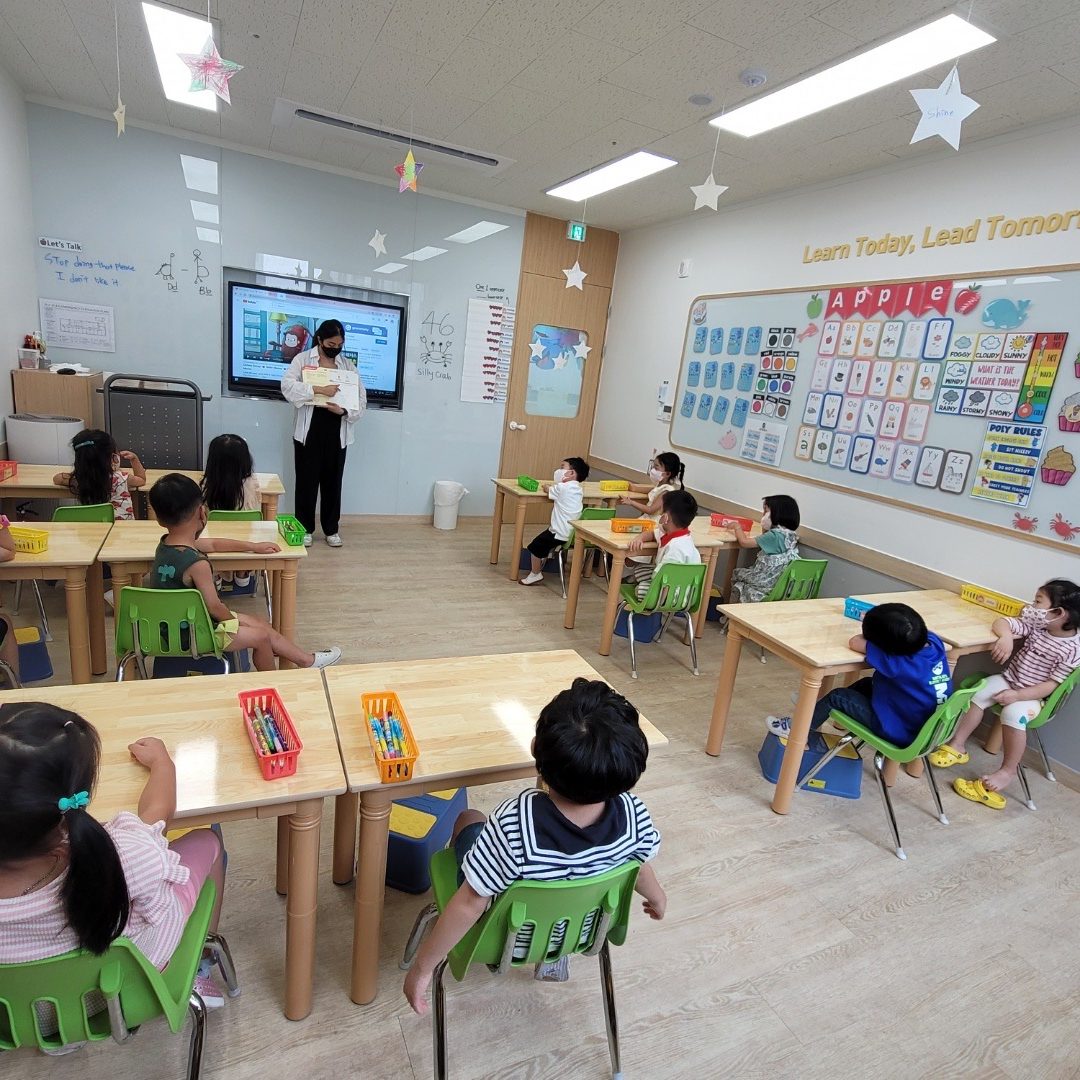
Gyeonggi-do, South Korea (Cross-cultural Perspectives on Early Childhood Education): In February 2020 at the start of my studies/learning journey, I moved to Gyeonggi-do, South Korea. There, my practice did not align with what I was learning in the program or what I had previously learned. I was introduced to collaboration across diverse perspectives.

Stream #2
To develop meaningful relationships and weave them into practice
North Vancouver, Canada (Weaving relationships into practice): In March 2023, I moved to North Vancouver, where I was challenged to unlearn biases and embrace new pedagogies. Indigenous knowledge and practices were significant in study and practice.

Stream #3
To continue advocating for Culturally Responsive Practices in Early Childhood
Calgary, Canada (Culturally Responsive Practices — Advocating for Professionalism and the overall field of Early Childhood Education): In August 2024, I was able to hone my skills and strengthen my adaptability and resilience in a professional setting. I started to grow into leadership roles , and my studies went along in that direction as we started our Leadership & Policy class around the same time.
 ECED 590: Graduation Portfolio by Jeninna Calderon