Stream 3: To continue advocating for Culturally Responsive Practices in Early Childhood Education
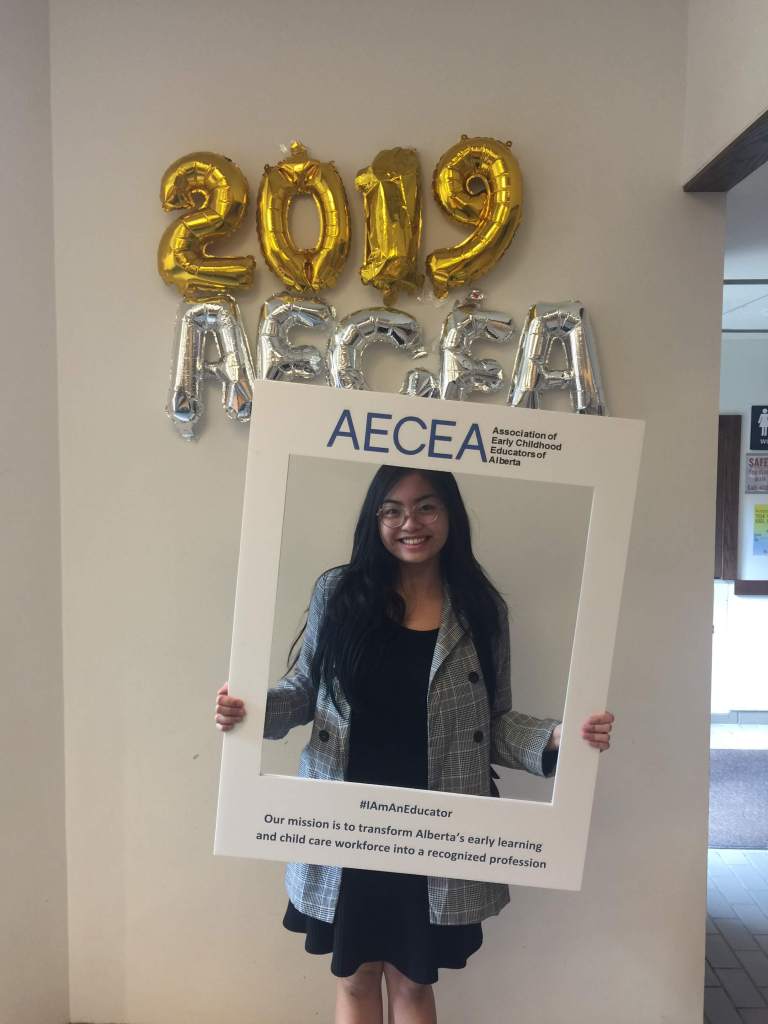
This last stream in my journey brings me back to my roots in Calgary, Alberta, where I found myself deepening my commitment to culturally responsive practices in early childhood education. Returning home was not just a physical move, it felt like it was a reconnection with my evolving identity as an educator, now shaped by the diverse experiences and knowledge I had gained across different countries and contexts. This stage of my journey was about advocacy, professionalism, and leadership—learning how to navigate policies and systemic challenges while ensuring that culturally responsive practices remained at the core of my work.
In Calgary, I strengthened my adaptability and resilience in professional settings, refining my voice as both an educator and an advocate. I was no longer just absorbing knowledge but actively shaping discussions around the importance of representation, equity, and inclusivity in the field. With this move, I also experienced a job change where my current position allows me to hone my leadership skills by fostering professional development, mentoring educators, and advocating for equitable early childhood education practices. This period of my life aligned closely with my studies, where coursework on leadership and policy reinforced the need for critical reflection on dominant frameworks and the responsibilities of educators in shaping the field. This stream represents not only a return but a transformation—bringing together my lived experiences, academic learning, and professional practice into a cohesive vision for early childhood education. It highlights the importance of advocacy, adaptability, and leadership in ensuring that early learning environments are inclusive, equitable, and reflective of the diverse communities they serve.
With consent from each member, this group presentation, from the course ECED 531: Supporting Young Children’s Social-Emotional Learning in Early Childhood Programs explores the foundations of Social-Emotional Learning (SEL) in early childhood, defined as the process through which children develop the ability to understand and manage emotions, establish positive relationships, and make responsible decisions (CASEL, 2025). As a group of educators who work closely with Infants and Toddlers, this presentation focuses on how this particular age group develops emotional regulation, social skills, and secure attachments. By surveying current research and practices, this presentation highlights the importance of responsive caregiving, play-based interactions, and culturally sensitive approaches in fostering emotional well-being from the very start of life.
For more information about the Collaborative for Academic, Social, and Emotional Learning (CASEL) Framework, please visit their site at https://casel.org/.

Current #2
This research infographic, created for the ECED 533: Leadership & Policy course, explores the systemic inequalities in Early Childhood Education (ECE) across Canada. It highlights the disparities in ‘Educator-to-Child’ ratios, Curriculum Standards, and Educator Qualifications and Wages. Grounded in leadership and policy analysis, it examines how policies shape the experiences of children, families, and educators while advocating for culturally responsive, inclusive, and equitable early learning environments (Akbari, E & McCuaig, K.,2017). Through this assignment, I aim to spark conversation and emphasize the critical role of leadership in driving meaningful change toward a more just and accessible ECE system for all.

Current #3
This presentation critically examines the Early Childhood Education (ECE) curriculum and frameworks in Canada through a decolonial lens. Children grow up in this narrative, where academic goals hold more significance than intellectual goals (Katz, 2010). By questioning the dominance of Eurocentric perspectives (Faith, N., 2021), this work explores how Indigenous knowledge, culturally responsive pedagogies, and alternative ways of knowing can be meaningfully integrated into early learning practices. The goal is to challenge existing structures, advocate for transformative change, and reimagine ECE as a more inclusive and equitable space.
 ECED 590: Graduation Portfolio by Jeninna Calderon