Stream 1: To learn and apply cross-cultural perspectives on Early Childhood
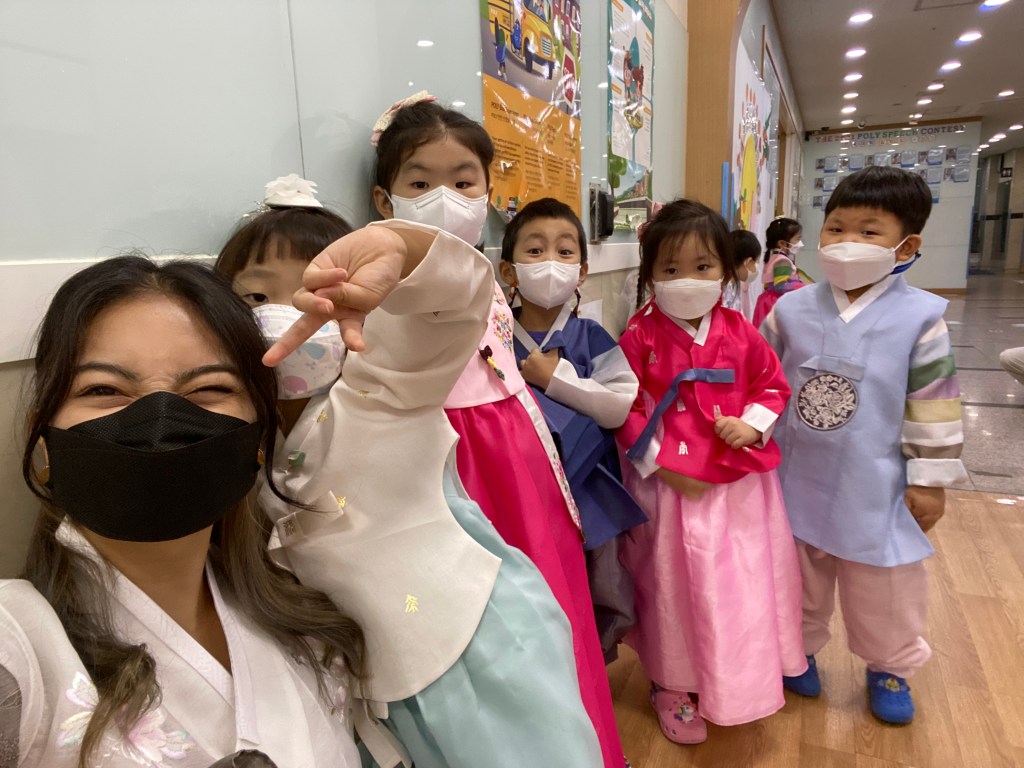
2021: A photo taken with my students aged 3-4 years old (International Age) during ‘Chuseok’ (추석) also known as ‘Mid-Autumn Festival’, students and teachers celebrate this holiday by wearing Korean traditional clothing called ‘Hanbok’ (한복) and eating delicious rice cakes.
The first stream began in South Korea, where I was introduced to the complexities of navigating early childhood education across cultural contexts. Living and working in Korea marked a turning point—one where theory, practice, and cultural expectations often flowed in different directions. What I was practicing as a professional did not always align with what I was learning in my studies or with the approaches I had encountered before. This dissonance became both a challenge and an opportunity, pushing me to engage deeply with diverse perspectives and question my assumptions about education and early childhood. Arndt and Tesar (2015) remind us that an educator’s lenses are shaped by their histories, cultures, and realities recognized in the spaces that learning stories create for diversity, interconnections between worlds and pieces of knowledge, and the possibilities to share, negotiate, revisit, develop, and change meanings.
In South Korea, my understanding of early childhood education was reframed as I witnessed how cultural values influence pedagogy, curriculum, and the image of the child. The structured learning environment, emphasis on collectivism, and respect for hierarchy contrasted with other educational philosophies I had explored. This experience laid the foundation for my ongoing commitment to integrating cross-cultural perspectives into my practice, not necessarily by choosing one approach over another, but by learning to hold multiple viewpoints in dialogue. This first stream represents more than just a geographical shift; it signifies the start of my continuing learning journey, where unlearning and adaptation became just as valuable as acquiring new knowledge. By engaging with different cultural frameworks, I began to develop a more flexible and reflective approach to early childhood education—one that recognizes the richness of multiple perspectives and seeks to bridge them in meaningful ways.

Current #1
Unpacking the cultural pressure of academic success, this research proposal presentation from the course EDUC 500: Research Methodology in Early Childhood Education, explores deeply ingrained values within Asian-immigrant families and examines the emotional, psychological and social impacts of these expectations on children (Anderson, T & Kohler, H., 2013). By analyzing cultural narratives, intergenerational perspectives, and the cost of success, this presentation sheds light on the complexities of balancing tradition, ambition, and well-being.
Current #2
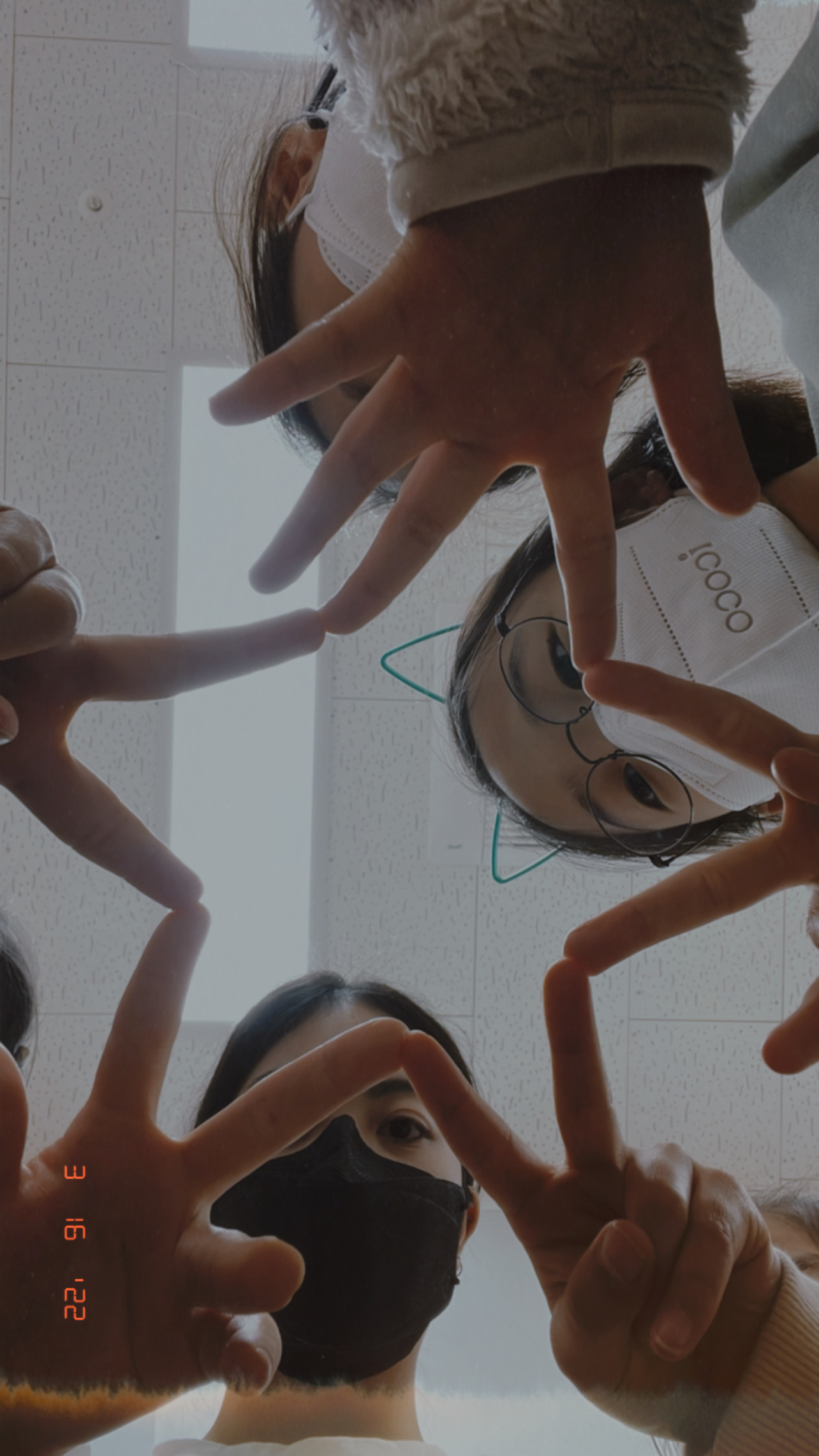
With consent from the members of my group, I would like to share our group assignment for ECED 532: Sociocultural Perspectives in Early Childhood Education. This assignment delves into the tensions between mainstream educational practices and cultural expectations of Asian-immigrant parents regarding literacy and schooling. Based on Li’s (2006) ‘Culturally Contested Pedagogy of Literacy and Schooling between Mainstream Teachers and Asian Immigrant Parents’, this presentation examines how differing beliefs about education shape the experiences of children caught between two worlds. Our group also explores pathways toward understanding and bridging these cultural divides to create a more inclusive and responsive pedagogical approach.
Current #3
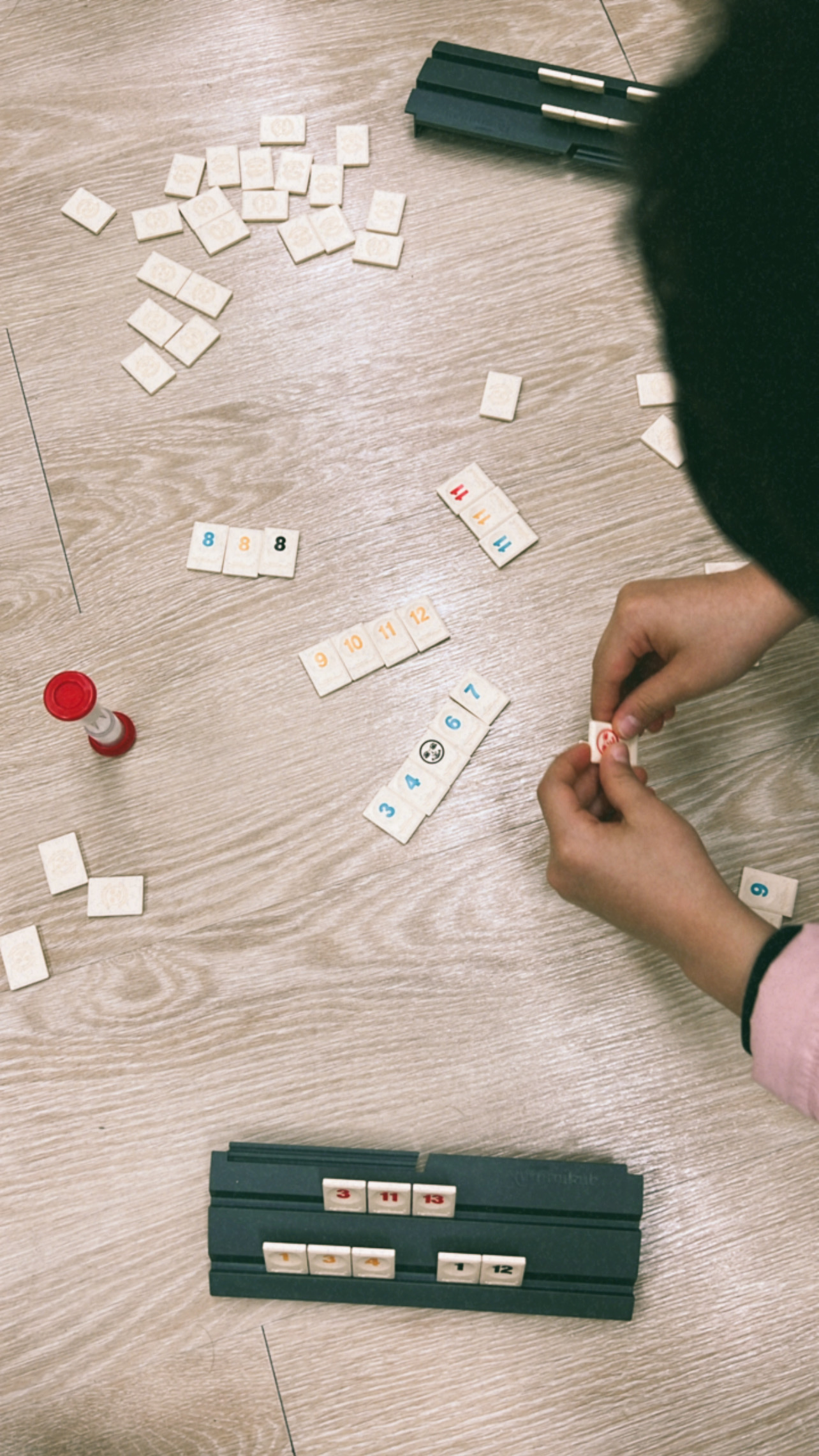
This literature review for the course ECED 532: Sociocultural Perspectives in Early Childhood Education, explores the complexities of children growing up at the intersection of Eastern cultural values and Western societal norms (Imada, Carlson, & Itakura., 2013). It examines how childhood experiences, identity formation, and educational expectations are shaped by the blending and, at times, clashing of these cultural influences. Through a cross-cultural lens, this piece highlights the unique challenges and strengths of navigating multiple worlds while redefining what it means to belong.
 ECED 590: Graduation Portfolio by Jeninna Calderon